Mar 3, 2026, 8:19:17 AM
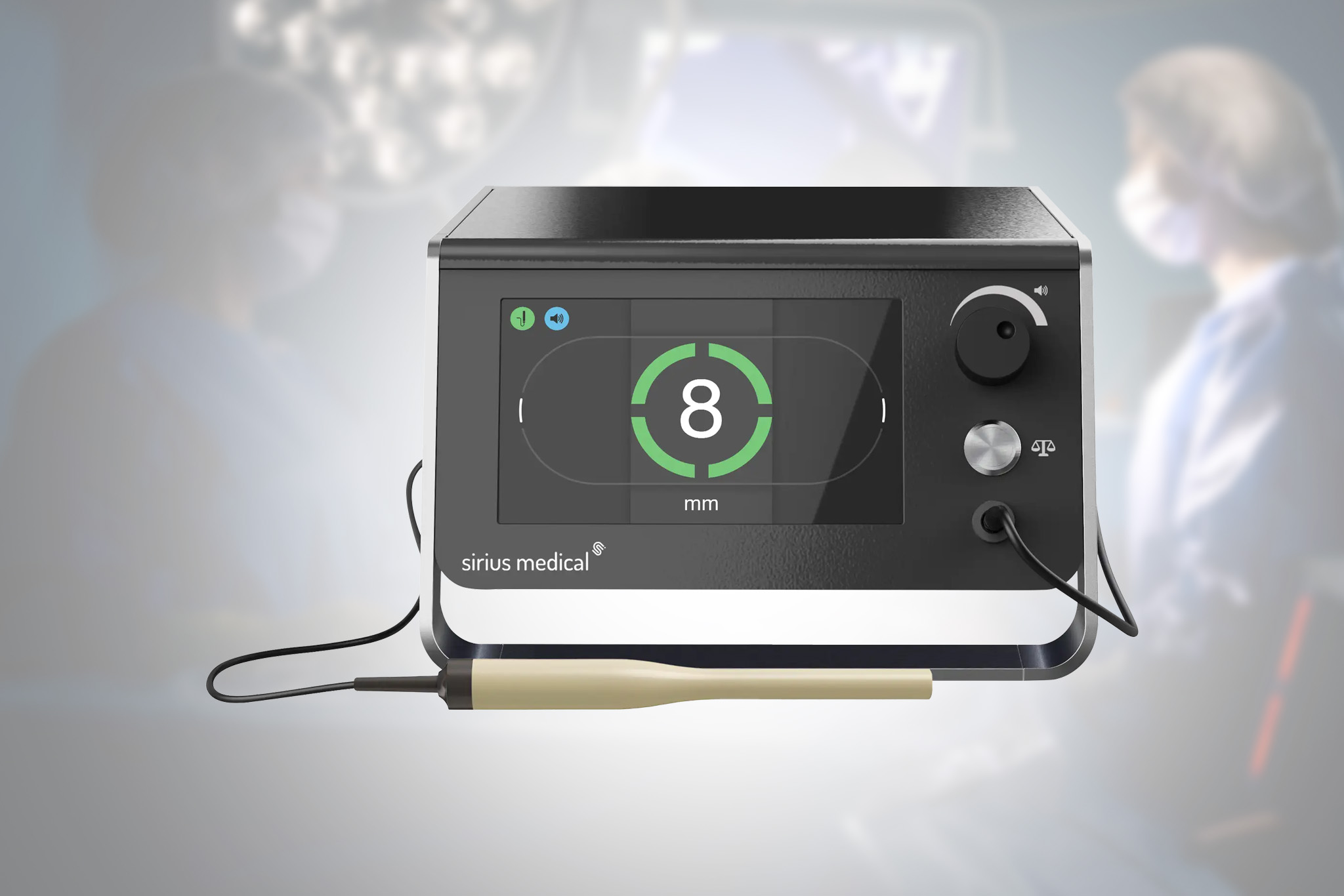
Breast localization devices are increasingly recognized as essential tools in modern breast cancer surgery. As hospitals move toward implantable and non radioactive technologies, reimbursement frameworks and regulatory developments are playing a critical role in accelerating adoption. This article explores implantable breast marker technology, global reimbursement trends, and what hospitals should consider when implementing breast localization devices.
What Is a Breast Localization Device?
A breast localization device is used to identify non palpable tumors prior to or during breast conserving surgery. These devices guide surgeons to the exact location of abnormal tissue that cannot be felt during physical examination.
Breast localization devices are commonly used in:
- Early stage breast cancer
- Ductal carcinoma in situ
- Lesions detected through screening mammography
- Patients undergoing neoadjuvant therapy
If you would like to understand the clinical foundation of localization procedures, see Breast Cancer Localization: Guiding Surgeons in the Removal of Abnormal Tissue.
From Wire Guided Techniques to Implantable Breast Markers
Traditional wire guided localization requires placement on the day of surgery, creating logistical coordination between radiology and the operating room. While effective, this approach may limit scheduling flexibility and patient comfort.
Implantable breast marker technologies represent a shift toward long term placement options. These devices can be inserted days or even weeks before surgery, allowing radiologists and surgeons to plan procedures independently.
Magnetic and other non radioactive breast cancer localization devices also eliminate radiation handling protocols, reducing administrative burden and simplifying hospital workflows.
You can read more about workflow evolution in Preoperative Localization Planning in Breast Conserving Surgery.
Clinical Advantages of Implantable Breast Markers
Implantable breast markers offer several clinical advantages compared to same day localization techniques.
First, long term implant status allows placement at the time of biopsy, particularly valuable when treating patients undergoing neoadjuvant systemic therapy. Accurate tumor bed identification becomes essential in these cases. More on this topic can be found in Tumor Bed Localization After Neoadjuvant Therapy.
Second, implantable markers improve scheduling efficiency. Radiology departments can place the marker during routine imaging sessions without being constrained by surgical timing.
Third, non radioactive breast localization devices reduce dependency on nuclear medicine departments, aligning with broader global efforts to streamline cancer care delivery.
Peer reviewed studies indexed in PubMed have demonstrated that implantable magnetic and non radioactive localization systems achieve high accuracy in tumor detection and margin clearance, supporting their integration into standard breast cancer surgery pathways.
Reimbursement and Global Adoption of Breast Localization Devices
Clinical performance alone does not determine adoption. Reimbursement frameworks and regulatory recognition are increasingly influencing the implementation of implantable breast localization devices worldwide.
In Europe, national health authorities are beginning to formally recognize surgical navigation markers within funding structures. For example, French health authorities introduced a Safety and Environment Package that includes reimbursement for surgical navigation markers, effective January 1, 2026. This national funding supports integration of wireless breast localization devices into routine clinical practice.
Although this policy applies specifically to France, it reflects a broader international trend toward acknowledging the value of implantable breast markers within hospital reimbursement models. As healthcare systems emphasize efficiency, patient experience, and quality metrics, technologies that simplify logistics while maintaining precision are increasingly prioritized.
Hospitals evaluating breast localization devices should therefore consider not only clinical performance, but also regulatory status, reimbursement pathways, and long term cost efficiency.
Key Considerations When Selecting a Breast Localization Device
When choosing a breast localization device, multidisciplinary teams should evaluate several factors.
Accuracy and directional guidance are critical. Systems that provide real time distance feedback may enhance intraoperative confidence.
Long term implant capability allows marker placement at biopsy, supporting patient centered scheduling.
Regulatory approvals such as MDR CE marking and FDA clearance indicate compliance with international safety standards.
Reprocessing options and cost efficiency may influence procurement decisions, particularly in publicly funded healthcare systems.
Hospitals may also wish to evaluate how the localization device integrates with axillary procedures. See Targeted Axillary Dissection for further clinical context.
How Sirius Medical Supports Implantable Breast Localization
Sirius Medical developed the Pintuition® Surgical Marker Navigation System to support precise and intuitive tumor localization. The Pintuition Marker® is a permanent magnetic implantable breast marker that enables wireless localization without radioactive materials.
The Pintuition System® provides real time directional guidance and distance feedback during surgery. With MDR CE mark certification and expanded indications including long term implant status and probe re sterilization options, the system supports flexible implementation across diverse healthcare environments.
As reimbursement recognition continues to expand internationally, implantable breast localization devices such as Pintuition® are positioned to play a central role in modern breast cancer surgery.
Interested in Implantable Breast Localization Solutions?
Learn how Pintuition® can improve precision, workflow efficiency, and regulatory simplicity within your breast surgery program. Request a demo or explore the clinical overview for detailed clinical information.
Disclaimer
This article is intended for informational purposes only and should not be considered medical advice. Clinical decisions should be based on professional medical judgment and current treatment guidelines. Sirius Medical develops surgical marker navigation technology but does not provide medical diagnoses or treatment recommendations.